Creating a calm and relaxing atmosphere in your home is often influenced by the colors you choose for your walls, furniture, and décor. Colors can affect mood and energy, making it important to select hues that promote tranquility and comfort. Whether you’re redecorating a single room or your entire home, these tips will guide you in choosing calm colors that enhance your living space.
Understanding the Psychology of Colors
Colors evoke different emotions and can change how a space feels. Calm colors typically have soothing, soft tones that reduce stress and encourage relaxation. Examples include blues, greens, and neutrals, which are often associated with tranquility, nature, and balance.
Popular Calm Color Families
– Blues: Often linked to serenity and calmness, blue shades like light sky or dusty blue create a peaceful vibe.
– Greens: Connected to nature and renewal, soft greens can make a room feel refreshing and balanced.
– Neutrals: Warm beiges, soft grays, and creamy whites provide a versatile and gentle backdrop that pairs well with other accent colors.
– Lavenders and Soft Pinks: These colors add a subtle calmness with a touch of warmth.
Tips for Choosing Calm Colors for Your Home
1. Consider the Room’s Purpose
Think about how you use each room. Bedrooms and bathrooms benefit from calming colors that promote rest and relaxation, such as pale blues or soft greens. Living rooms might combine soothing shades with warmer tones to encourage comfort and social interaction.
2. Test Samples in Different Lighting
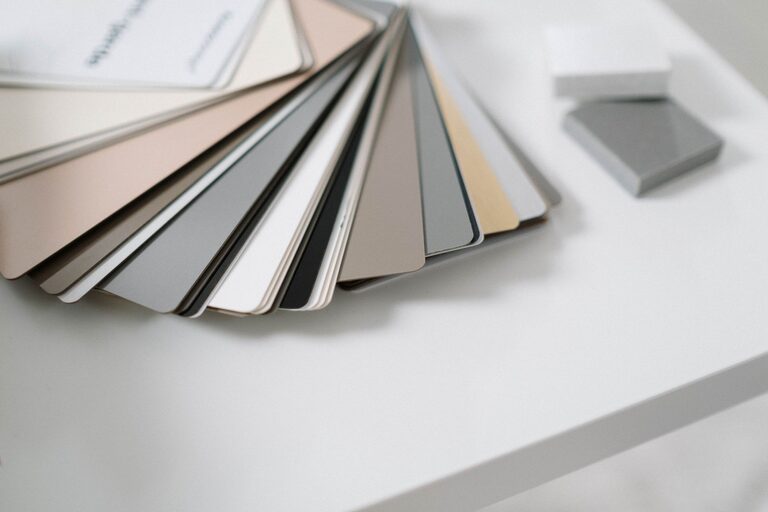
Colors can look very different depending on natural and artificial light. Test paint samples on your walls and observe them at various times of day to ensure the color maintains its calming effect.
3. Use a Neutral Base with Calming Accents
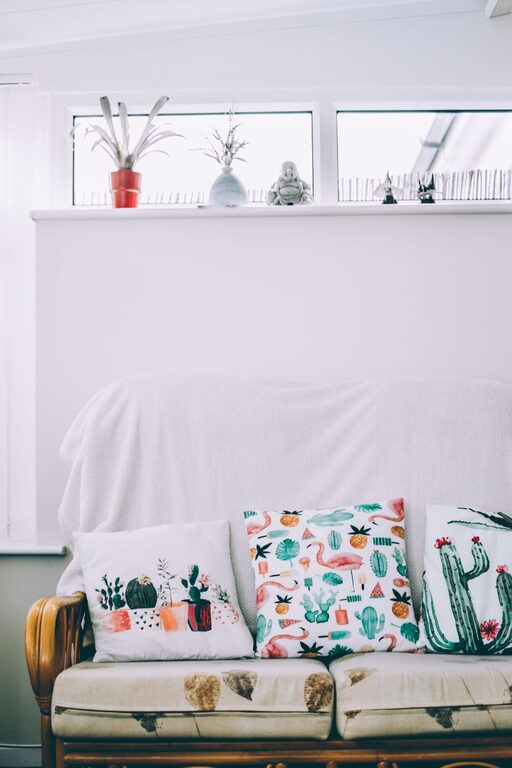
If you’re hesitant about using strong colors on all walls, start with a neutral base and add calming colors through pillows, rugs, curtains, or artwork. This allows you to update your space easily and adjust colors as your preferences evolve.
4. Keep Finishes Matte or Satin
Glossy finishes can reflect too much light and create a more energetic vibe. Matte or satin finishes absorb light and soften the appearance of walls, enhancing the calming atmosphere.
5. Harmonize Colors Across Spaces
For a peaceful flow in your home, choose complementary calm colors across adjoining rooms. For example, a soft gray living room can transition nicely into a pale green kitchen, providing visual continuity without monotony.
6. Incorporate Natural Elements
Pair your calm color palette with natural materials like wood, stone, or plants. These elements add texture and warmth, enhancing the overall soothing feel of the space.
7. Avoid Overly Bright or Dark Colors
Bright and saturated colors tend to energize or overstimulate, which can work against creating a calm environment. Similarly, very dark colors may feel heavy or somber. Stick to softer tones with moderate brightness to maintain balance.
8. Personalize with Your Preferences
While there are general rules about calm colors, personal comfort is essential. If you find a particular shade relaxing, trust your instincts. The most peaceful space is one where you feel at ease.
Creating a Cohesive Calm Color Scheme
Step 1: Choose a Primary Calm Color
Select a base color that you find soothing and fits the room’s purpose. For example, a light blue for a bedroom or a muted sage green for the living room.
Step 2: Add Secondary and Accent Colors
Incorporate complementary calm colors or neutrals to add depth. Use accents like soft creams, gentle taupes, or touches of lavender in soft furnishings or décor items.
Step 3: Balance Color Ratios
Use the 60-30-10 rule: 60% primary color, 30% secondary color, and 10% accent color. This creates a balanced and visually pleasing scheme.
Final Thoughts
Choosing calm colors for your home is a thoughtful process that combines color psychology, personal preference, and practical considerations like lighting and room function. By selecting soothing hues and using them strategically, you can transform your living space into a haven of peace and relaxation.
Remember, the goal is to create an environment that feels comfortable and inviting every day. Take your time experimenting with colors and textures to find the perfect calm palette for your home.