
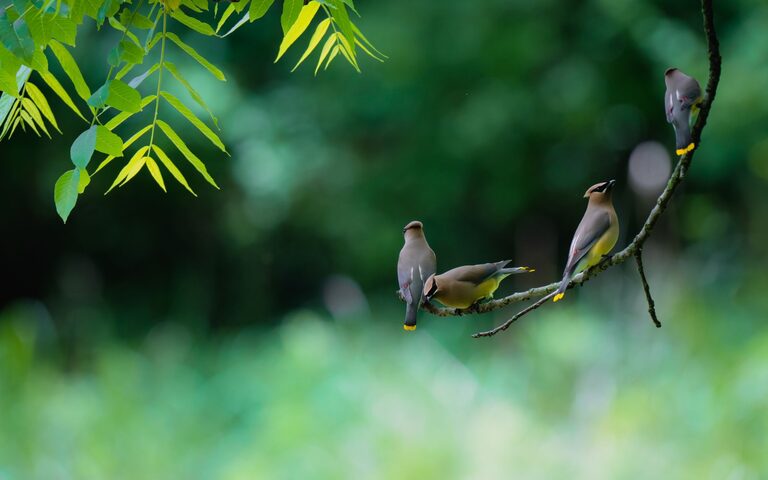
Birdwatching is a relaxing and rewarding hobby that connects you with nature. You don’t need to travel far or use complicated equipment to get started. Your own backyard can be a perfect spot for observing a variety of bird species. If you’re new to birdwatching, this guide will help you set up and enjoy the experience with simple, practical tips.
Why Backyard Birdwatching?
Birdwatching in your backyard offers many benefits. It’s a peaceful way to spend time outdoors, helps you learn about local wildlife, and supports conservation by encouraging awareness of bird habitats. Plus, it’s suitable for all ages and skill levels.
Getting Started: What You Need
1. Choose the Right Spot
Select a quiet area in your yard that offers good visibility. Near trees, shrubs, or a garden is ideal because birds often visit these places for shelter and food.
2. Invest in Basic Gear
You don’t need expensive equipment. A simple pair of binoculars and a bird identification book or app can make a big difference. Binoculars help you see details without disturbing the birds.
3. Prepare a Comfortable Viewing Area
Set up a chair or bench where you can sit quietly. If possible, position it where sun or shade suits you and where birds are likely to appear.
Attracting Birds to Your Backyard
1. Provide Food
Different birds prefer different foods. Here are some common options:
– Seed feeders: Black oil sunflower seeds attract many species.
– Suet feeders: Good for woodpeckers and nuthatches.
– Fruit: Pieces of apple, orange, or berries can attract orioles and thrushes.
Make sure to keep feeders clean and refill them regularly.
2. Offer Water
Birds need fresh water for drinking and bathing. A simple birdbath or shallow dish works well. Change the water frequently to keep it fresh and prevent mosquito breeding.
3. Create Shelter
Plant native shrubs and trees to provide birds with natural cover and nesting spots. Leave leaf litter or brush piles in a corner to encourage insects that birds feed on.
Learning to Identify Birds
1. Start with Common Species
Focus on birds you see regularly. Common backyard birds include robins, sparrows, cardinals, and blue jays. Use a field guide or app to match colors, shapes, and behaviors.
2. Observe Behavior
Watch how birds feed, fly, and interact. These clues help you learn more about each species.
3. Keep a Journal
Write down the birds you spot, dates, and notes about their behavior or appearance. This makes your birdwatching more engaging and helps track progress.
Tips for Successful Birdwatching
– Be patient and quiet: Sudden movements or loud noises scare birds away.
– Go early or late: Birds are most active in the early morning and late afternoon.
– Use camouflage: Wear neutral colors to blend into your surroundings.
– Avoid direct eye contact: Birds can see this as a threat.
Involve Family and Friends
Birdwatching is a great activity to enjoy with others. Share binoculars, compare sightings, or start a backyard bird photo collection. Kids especially enjoy learning about nature and spotting colorful birds.
Protecting Your Feathered Friends
To keep your birdwatching safe and sustainable:
– Avoid using pesticides in your garden.
– Clean feeders and birdbaths regularly to prevent disease.
– Provide natural habitats rather than artificial ones whenever possible.
Final Thoughts
Backyard birdwatching is an accessible pastime that offers hours of enjoyment and peaceful connection with nature. By setting up a welcoming environment and learning about local birds, you can turn your outdoor space into a lively bird sanctuary. Grab your binoculars and start watching—the birds are waiting!