
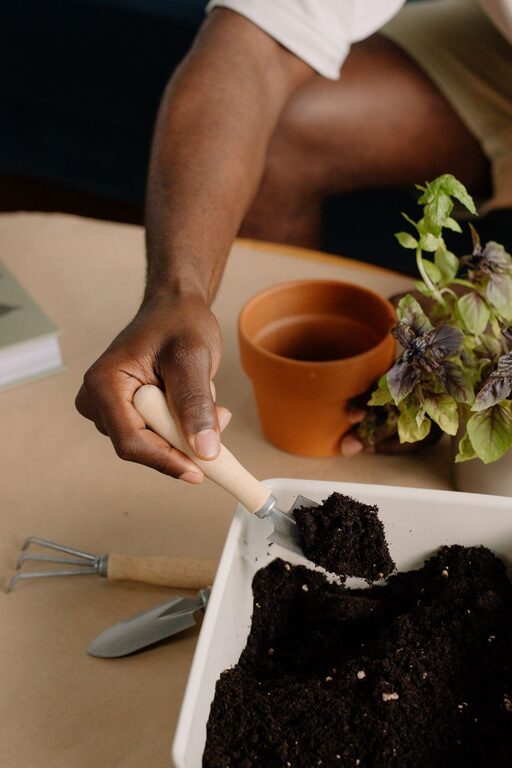
Starting a small herb garden indoors is a rewarding and practical way to bring fresh flavors into your kitchen while brightening your living space. Whether you have a sunny windowsill or just a little shelf space, you can cultivate herbs that thrive indoors. This guide will walk you through everything you need to know to successfully grow your own indoor herb garden.
Why Grow Herbs Indoors?
Indoor herb gardening offers several benefits:
– Fresh herbs available anytime for cooking
– Saves money compared to store-bought herbs
– Adds greenery and improves air quality
– Ideal for small spaces or year-round gardening
– Easy and satisfying hobby for beginners
Choosing the Right Herbs for Indoor Gardening
Not all herbs are equally suited to indoor growing. Some herbs are more adaptable and easy to care for, making them perfect for your first indoor garden.
Best Herbs for Beginners
– Basil: Loves sunlight and warmth; perfect for cooking
– Parsley: Tolerates moderate light and is quite resilient
– Mint: Grows quickly, but can spread fast, so keep it contained
– Chives: Requires minimal care and adds flavor to many dishes
– Thyme: Prefers bright light and well-drained soil
– Oregano: Hardy and great for Mediterranean dishes
– Cilantro: Likes cooler temperatures and well-drained soil
Selecting Containers and Soil
Containers
Choose pots with drainage holes to prevent waterlogging, which can harm roots. You don’t need big pots; small containers or herb-specific planters work well. Consider the following options:
– Terra cotta pots for breathability
– Plastic pots for easy watering and lightweight
– Recycled containers with drainage holes drilled in
Soil
Use high-quality potting mix formulated for indoor plants. Avoid garden soil, which can be too dense and may contain pests or diseases.
Finding the Perfect Location
Most herbs need at least 6 hours of sunlight per day. A south-facing window is ideal, but east or west windows can also work. If natural light is limited, consider supplementing with grow lights designed for plants.
Tips for Light
– Rotate pots regularly for even growth
– Keep windows clean to maximize sunlight
– Use fluorescent or LED grow lights if necessary, keeping them on 12–16 hours daily
Planting Your Herb Garden
You can start herbs from seeds or buy small plants from a nursery.
Starting From Seeds
– Fill pots with moistened potting soil
– Sow seeds according to packet instructions (depth and spacing)
– Cover lightly with soil and mist gently with water
– Keep soil moist but not waterlogged until seeds germinate
Transplanting Seedlings or Nursery Plants
– Gently remove plants from their containers without damaging roots
– Place in your herb pots and fill around roots with fresh soil
– Press soil gently and water thoroughly
Caring for Your Indoor Herbs
Watering
Herbs generally like evenly moist soil but not soggy. Water when the top inch of soil feels dry. Avoid letting pots sit in water, which can cause root rot.
Temperature and Humidity
Most herbs thrive between 65–75°F. Avoid placing herbs near drafts, heating vents, or air conditioners. If air is dry, especially in winter, mist plants occasionally or use a humidity tray.
Fertilizing
Feed your herbs every 4–6 weeks with a balanced liquid fertilizer diluted to half strength. Over-fertilizing can reduce the flavor intensity of herbs.
Pruning and Harvesting
Regularly pinch back herbs to encourage bushier growth and prevent flowering, which can make leaves bitter. Harvest leaves as needed, starting by cutting the top growth and leaving enough for the plant to continue growing.
Common Issues and Troubleshooting
– Yellowing leaves: often a sign of overwatering or inadequate light
– Leggy growth: occurs when herbs stretch toward light; try moving them to a brighter spot
– Pests: watch for aphids or spider mites; wipe leaves with a damp cloth or use insecticidal soap as needed
– Powdery mildew: avoid overhead watering and ensure good air circulation
Tips for Success
– Start small with a few herbs you use often
– Label your pots to keep track of plants
– Keep a watering schedule to maintain consistent care
– Experiment with different herbs to find your favorites
– Use pots with saucers to catch excess water and protect surfaces
Conclusion
Growing a small herb garden indoors is not only simple but also a delightful way to enhance your cooking and your home. With basic supplies, some light, and a bit of care, you can enjoy fresh herbs year-round. Start today and watch your indoor garden thrive!
—
Happy gardening! If you have any questions or want to share your indoor herb garden experiences, feel free to leave a comment below.